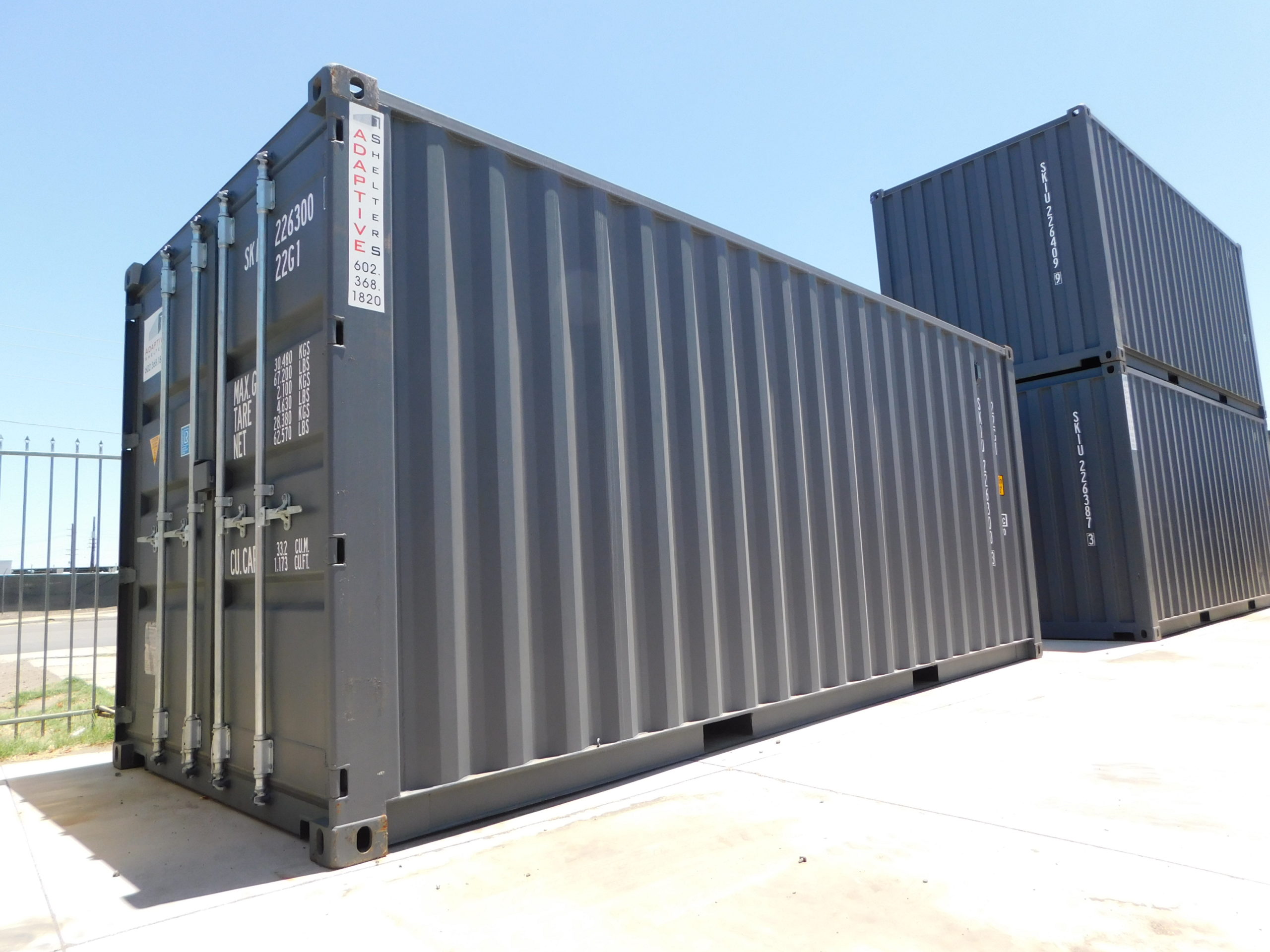
In the ever-evolving landscape of architecture and construction, modular units have emerged as a revolutionary solution to meet the demands of efficiency, sustainability, and cost-effectiveness. These prefabricated structures are transforming the way buildings are designed and constructed, offering a myriad of benefits that cater to diverse needs across residential, commercial, and industrial sectors. As the world shifts towards more adaptive and sustainable building practices, understanding the role and potential of modular units in construction becomes imperative.
The Rise of Modular Construction
Modular construction is not a novel concept, but its application has seen a significant surge due to technological advancements and the growing emphasis on sustainable building practices. Modular units are pre-engineered sections that are manufactured off-site and then transported to the desired location for assembly. This approach contrasts with traditional construction methods that require building structures from scratch on-site.
Advantages of Modular Units
Modular units offer several advantages that make them an appealing choice for modern construction projects:
- Speed and Efficiency: Since modular units are manufactured in a controlled environment, construction timelines can be significantly reduced. This efficiency is ideal for projects with tight deadlines or urgent housing needs.
- Cost-Effective: With reduced labor costs and minimized material wastage, modular construction offers an economical alternative to traditional building methods.
- Sustainability: Modular units are designed to be energy-efficient and environmentally friendly. The controlled manufacturing process reduces waste and allows for the incorporation of sustainable materials and technologies.
- Flexibility and Customization: These units can be tailored to specific needs, allowing for a wide range of designs and configurations. This flexibility is perfect for projects requiring unique architectural features or rapid alterations.
For those seeking to delve deeper into the benefits and applications of modular construction, discover expert strategies here.
Applications Across Various Sectors
Residential Buildings
In residential applications, modular units provide a solution to the increasing demand for affordable and sustainable housing. These units can be utilized to create single-family homes, multi-family complexes, and even luxury villas. The adaptability of modular construction allows for the integration of modern amenities and smart home technologies.
Commercial and Industrial Use
Modular units are also making waves in the commercial and industrial sectors. They are ideal for constructing office buildings, retail spaces, and warehouses. The ability to quickly assemble and disassemble units makes them perfect for temporary structures or rapidly growing businesses that require scalable solutions. Explore advanced guides and tips on implementing modular designs in commercial projects.
Challenges and Considerations
While modular construction offers numerous benefits, there are challenges that need to be addressed to ensure successful implementation:
- Transportation and Logistics: The transportation of large modular units requires careful planning and coordination to avoid logistical issues.
- Regulatory Approvals: Navigating building codes and obtaining the necessary permits can be complex and time-consuming.
- Design Limitations: Although modular units offer customization, certain architectural designs may be challenging to achieve.
To overcome these challenges, it’s crucial to engage with experts in the field. Find out more about this approach to ensure a smooth transition to modular construction.
Conclusion
Modular units stand at the forefront of modern construction methodologies, offering a blend of efficiency, cost-effectiveness, and sustainability. As the demand for rapid and eco-friendly building solutions grows, modular construction is poised to play a pivotal role in shaping the future of architecture. By understanding the intricacies and potential of modular units, stakeholders can make informed decisions that align with contemporary construction trends and environmental goals. Learn about our tailored solutions to explore how modular units can redefine your next construction project.
About the Author