In recent years, ductless heating systems have gained significant popularity due to their energy efficiency, ease of installation, and ability to provide targeted heating solutions. A ductless heating system, often referred to as a ductless heat pump, is an excellent choice for homeowners looking to improve their heating capabilities without the need for extensive ductwork. Proper installation is key to maximizing the efficiency and longevity of these systems. This article outlines essential tips for efficient ductless heating installation, ensuring homeowners can enjoy the full benefits of their investment.
Understanding Ductless Heating Systems
Before diving into the installation process, it’s crucial to understand the components and functions of a ductless heat pump. These systems typically consist of an indoor unit, an outdoor compressor, and a conduit housing the power cable, refrigerant tubing, suction tubing, and a condensate drain. The absence of ductwork not only simplifies installation but also enhances the system”?s energy efficiency.
Benefits of Ductless Heating
- Energy Efficiency: Without the energy loss associated with ductwork, ductless systems can achieve higher energy efficiency.
- Flexible Zoning: Allows for different temperature settings in various rooms or zones.
- Easy Installation: No need for extensive renovations or ductwork.
- Improved Air Quality: Advanced filtration options help reduce dust, allergens, and other pollutants.
Pre-Installation Considerations
Before starting the ductless heat pump installation, several factors must be considered to ensure optimal performance and efficiency.
Site Assessment
- Determine the best location for both indoor and outdoor units. Ensure the site is free from obstructions and allows for proper airflow.
- Consider the proximity to electrical connections and the need for any additional electrical work.
System Sizing
- Accurate sizing of the ductless heat pump unit is crucial. An improperly sized system can lead to inefficiencies and increased wear and tear.
- Consult with a professional to perform a load calculation based on the specific requirements of the space.
Installation Process
The installation of a ductless mini split heat pump involves several steps, each requiring precision and expertise.
Positioning the Indoor Unit
- Mount the indoor unit on a wall that allows for optimal air distribution throughout the room.
- Avoid placing the unit near heat sources or in direct sunlight to prevent interference with the thermostat’s accuracy.
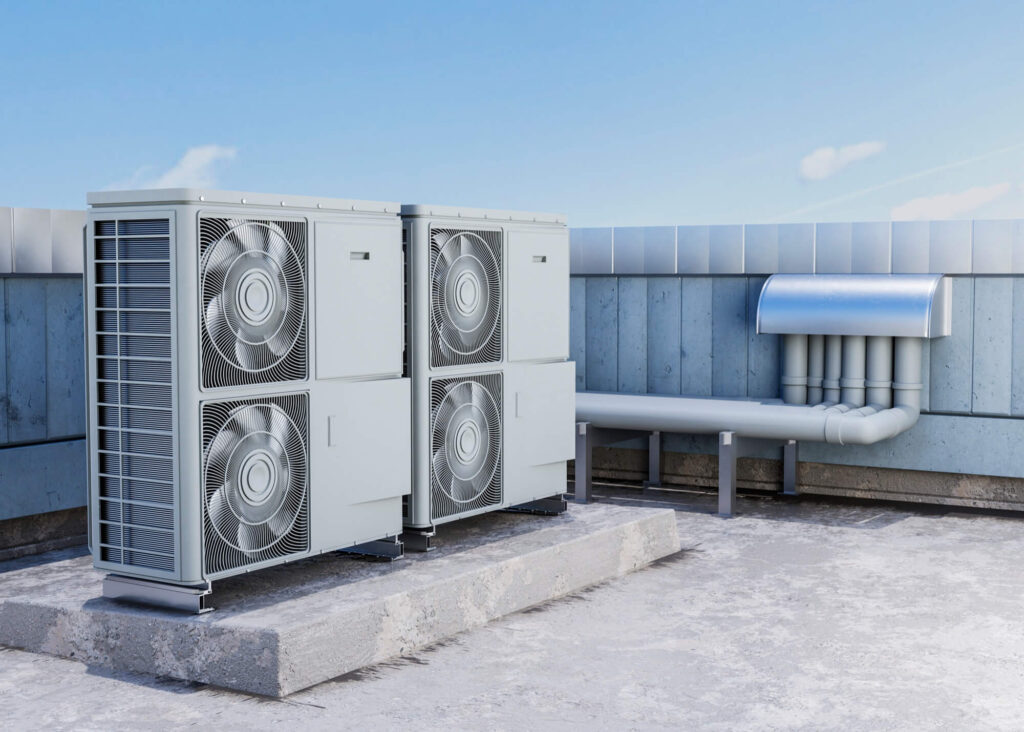
Installing the Outdoor Unit
- Place the outdoor compressor on a flat, stable surface to minimize vibration and noise.
- Ensure the unit is installed at a recommended distance from walls and obstructions to allow for adequate airflow.
Connecting the Components
- Use the conduit to connect the indoor and outdoor units, ensuring all connections are secure and properly insulated.
- Check for leaks in the refrigerant lines and ensure the condensate drain is properly installed to prevent water damage.
Post-Installation Tips
Once the ductless heating installation is complete, a few additional steps can help maintain the system’s performance.
Regular Maintenance
- Schedule annual inspections by a professional to ensure the system operates efficiently and to address any potential issues early.
- Regularly clean or replace filters to maintain indoor air quality and system efficiency.
User Training
- Ensure that users understand how to operate the system effectively, including setting the thermostat and utilizing different modes.
- Provide information on energy-saving practices, such as appropriate temperature settings and zoning strategies.
For those considering a mitsubishi ductless heat pump, understanding these installation tips can greatly enhance the overall experience and efficiency of the heating system. By taking the time to plan and execute the installation process carefully, homeowners can enjoy reliable and cost-effective heating for years to come.
About the Author