In today’s interconnected world, the security of a network is as vital as the data it carries. With increasing cyber threats, enhancing security through robust network cabling solutions is more important than ever. The infrastructure that supports the flow of data not only ensures efficiency but also plays a critical role in safeguarding sensitive information. Understanding the nuances of network cabling can dramatically impact the security and performance of any business environment.
Understanding Network Cabling
Network cabling forms the backbone of any IT infrastructure. It involves the installation and management of cables that connect network devices, ensuring seamless data transmission.
Types of Network Cabling
- Cat5e and Cat6: These are common Ethernet cables used in many networks, known for their reliability and affordability.
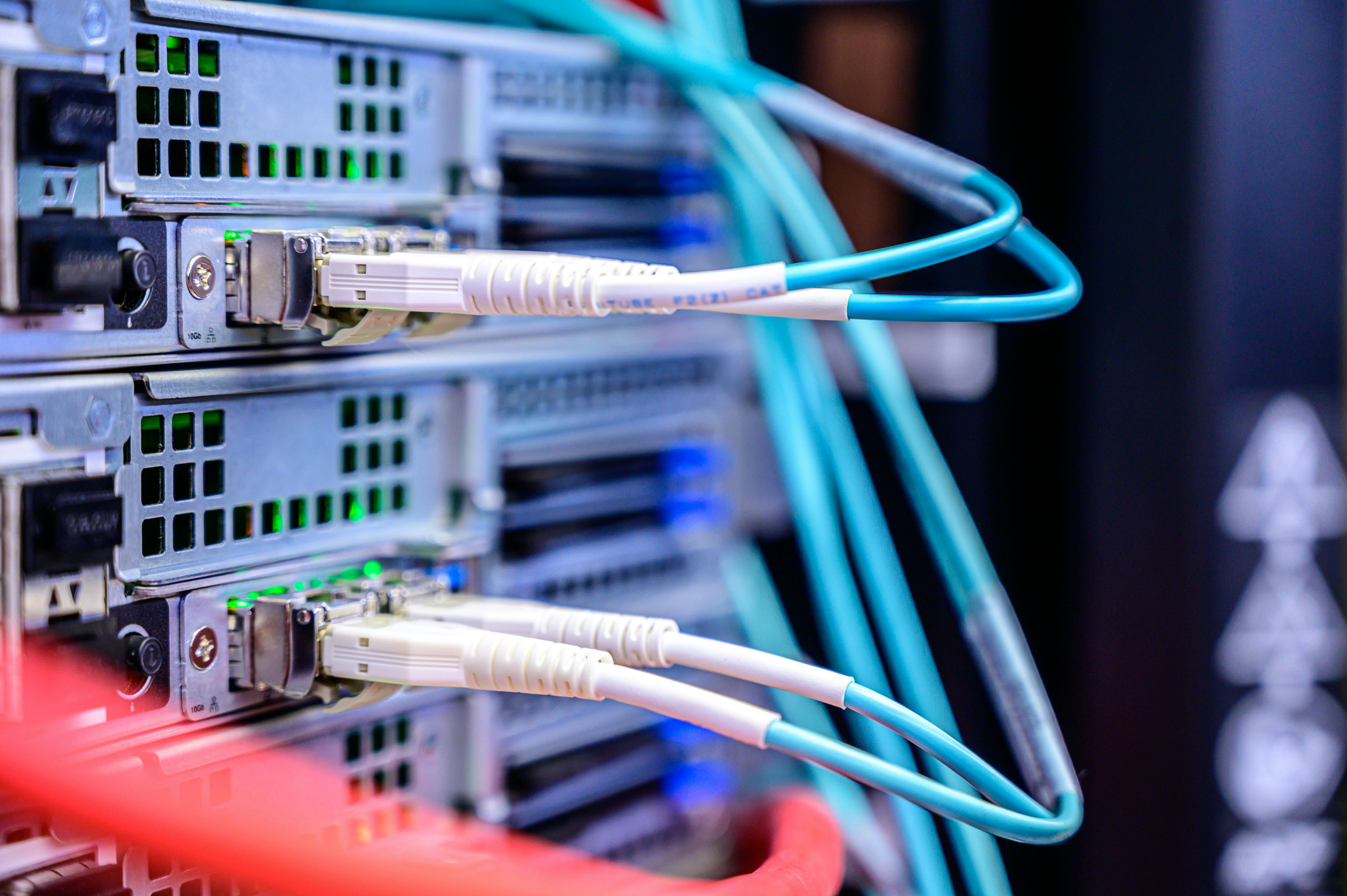
- Fiber Optic Cables: Ideal for high-speed data transmission over long distances, offering enhanced security due to their resistance to electromagnetic interference.
- Coaxial Cables: Typically used for cable internet and television connections, providing a stable data transmission medium.
Security Benefits of Proper Network Cabling
Effective network cabling can significantly enhance security measures within an organization. It ensures data integrity and protects against unauthorized access and data breaches.
Key Security Advantages
- Reduced Interference: Properly shielded cables minimize electromagnetic interference, reducing the risk of data corruption.
- Improved Data Segmentation: Structured cabling allows for efficient network segmentation, which isolates sensitive data and reduces exposure to potential threats.
- Enhanced Monitoring: Well-organized cabling setups make it easier to monitor network traffic, quickly identifying and addressing anomalies.
- Physical Security: Keeping cables secure and out of reach prevents tampering and unauthorized access to the network.
Implementing Secure Network Cabling Solutions
Implementing a secure cabling solution involves careful planning and execution. Learn about our tailored solutions here to ensure your network infrastructure is both robust and secure.
Steps to Enhance Security
- Conduct a Network Audit: Assess existing cabling infrastructure to identify vulnerabilities and areas for improvement.
- Upgrade to Superior Cabling: Consider upgrading to Cat6a or Fiber Optics for better performance and security.
- Implement Cable Management Systems: Use cable trays, racks, and labeling systems for organized and easily manageable cabling.
- Regular Maintenance and Testing: Schedule routine checks to ensure cables are in good condition and functioning optimally.
Conclusion
Incorporating advanced network cabling solutions is a strategic move towards enhanced security and operational efficiency. By understanding the types of cabling and their associated benefits, businesses can make informed decisions that protect and optimize their networks. To explore advanced guides and tips, discover expert strategies here.
About the Author