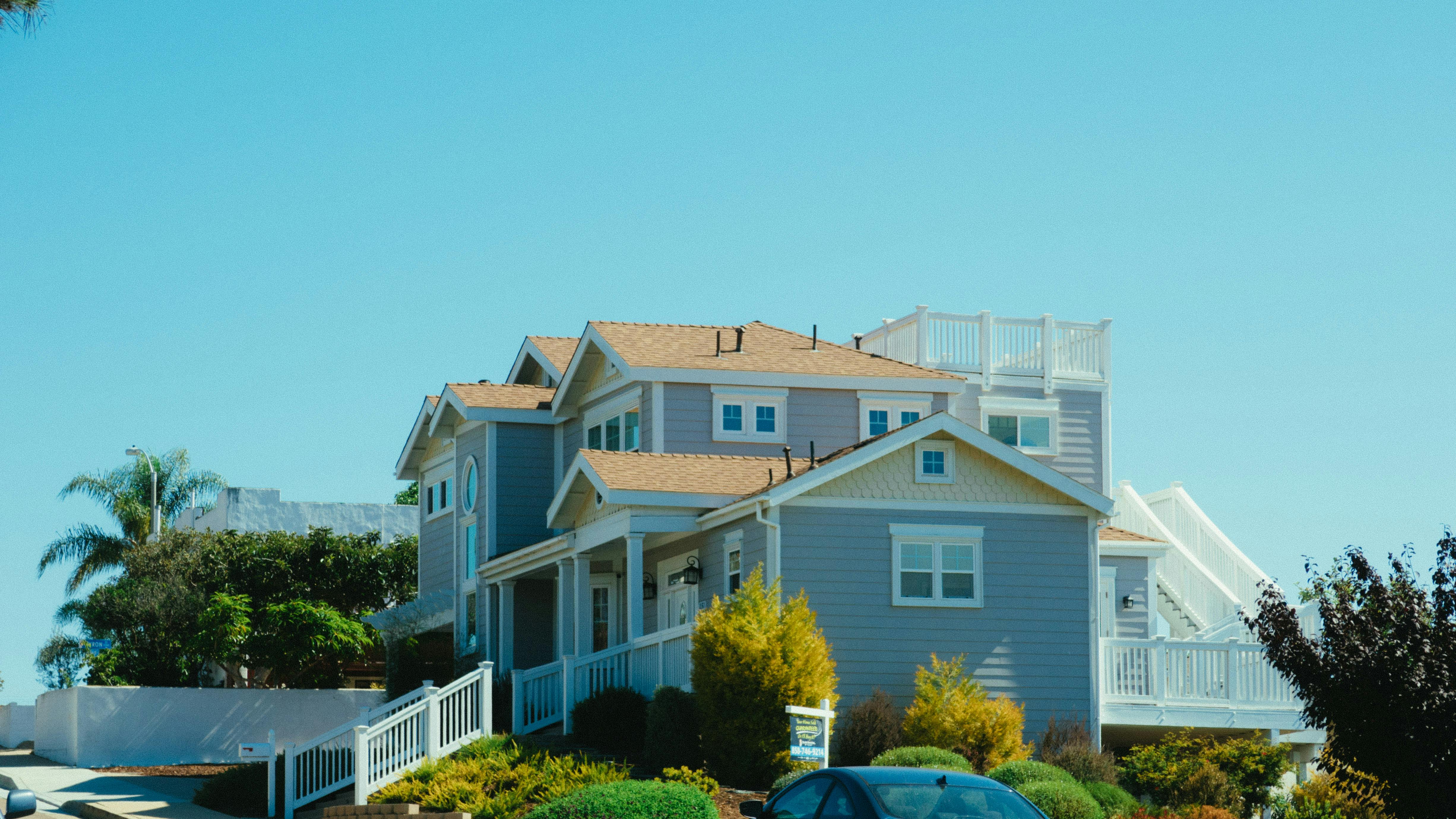
Transforming a backyard into a personal oasis is a dream for many homeowners, and installing an artificial putting green is an exceptional way to achieve this. The appeal of having a personal golf course at home is undeniable, offering not only recreational enjoyment but also enhancing property value and aesthetic appeal. Artificial putting greens provide a low-maintenance solution that remains lush and green year-round, regardless of weather conditions. This article explores the benefits of artificial putting green installation and provides insights into the process, offering guidance for those considering this upgrade.
Benefits of Artificial Putting Green Installation
Artificial putting greens offer a myriad of benefits for homeowners seeking to enhance their outdoor spaces:
- Year-round Usability: Unlike natural grass, artificial turf remains consistent in appearance and usability regardless of seasonal changes.
- Minimal Maintenance: Say goodbye to mowing, watering, and fertilizing. Artificial greens require minimal upkeep, freeing up time and resources.
- Durability: Designed to withstand heavy foot traffic and varying weather conditions, artificial greens are built to last.
- Customizable Design: Tailor the design to fit your space and personal preferences, creating a unique golfing experience.
- Environmental Benefits: Reduce water usage and eliminate the need for harmful chemicals typically required for lawn care.
Installation Process
Understanding the installation process can help in making an informed decision. Here’s a breakdown of the typical steps involved:
Site Assessment and Design
Before installation, a comprehensive site assessment is conducted to evaluate the space and existing landscape. This involves:
- Measuring the area to determine the optimal placement and size of the putting green.
- Assessing drainage needs to ensure proper water runoff and prevent pooling.
- Discussing design preferences and any specific features desired, such as sand traps or undulations.
Learn about our tailored solutions for creating the perfect backyard putting green by visiting here.
Base Preparation
The foundation of the putting green is crucial for its longevity and performance. This stage includes:
- Removing existing grass and debris to create a clean slate.
- Excavating the area and installing a compacted base layer, usually consisting of crushed stone or decomposed granite, to provide stability and proper drainage.
- Ensuring the base is level and contoured according to the design plan.
Artificial Turf Installation
Once the base is prepared, the artificial turf is carefully laid out:
- Rolling out the artificial turf and cutting it to fit the designated area.
- Securing the turf in place, ensuring a smooth and seamless appearance.
- Incorporating additional features such as fringe or rough to enhance the golfing experience.
Discover expert strategies for seamless installation by exploring this comprehensive guide.
Maintenance Tips
While artificial putting greens are low-maintenance, a few simple practices can keep them in top condition:
- Regularly remove debris to maintain a clean surface.
- Brush the turf periodically to ensure the fibers remain upright.
- Rinse the surface occasionally to prevent the buildup of dust and dirt.
- Check for any signs of wear or damage and address them promptly.
Explore advanced guides and tips to maintain your artificial putting green by visiting this resource.
Conclusion
Investing in an artificial putting green is a smart choice for those looking to elevate their backyard space. It combines the joy of golfing with the convenience of a low-maintenance lawn. From the initial design to the final installation, each step is crucial in achieving a high-quality result. For those interested in transforming their outdoor area, find out more about this approach to ensure a successful project. With expert guidance and a focus on quality, creating a personal golfing haven is within reach.
About the Author